Your deck is perfect for summer gatherings, but the blazing sun can make it uncomfortable.
That’s where retractable awnings come in. These versatile pieces give you control over your outdoor space. You can extend them when you need protection and retract them when you want full sunlight.
Retractable awnings transform your deck into a comfortable retreat. They shield you from harmful UV rays while keeping your space cool. Plus, they add value to your home.
Now, let’s explore everything you need to know about choosing the perfect retractable awning for your deck.
What Is A Retractable Awning & How Does It Work?
A retractable awning is a flexible shade solution that extends from your home’s exterior wall or roof to cover your deck. Unlike fixed awnings, you can roll these up when you don’t need them. This gives you complete control over your outdoor space.
The basic structure includes a sturdy frame, durable fabric, and a retraction mechanism. The frame typically mounts to your home’s wall or soffit. When extended, the awning creates a protective canopy over your deck. When retracted, it rolls up neatly against your home.
Most retractable awnings use a spring-loaded system or motor to operate smoothly. The fabric wraps around a roller tube, which protects it when stored. You can choose between manual operation with a hand crank or motorized systems with push-button convenience.
Either way, these awnings work by creating an adjustable outdoor room. You decide when you want shade and when you prefer open sky. This flexibility makes them perfect for changing weather conditions and different activities on your deck.
Manual Retractable Awnings
Manual retractable awnings operate with a simple hand crank system. You turn the crank handle to extend or retract your awning as needed. It’s straightforward and reliable.
These awnings offer several advantages for deck owners. First, they’re budget-friendly compared to motorized options. You’ll save money upfront without sacrificing quality shade protection. Installation is also simpler since there’s no electrical work required.
Manual awnings work well for smaller deck spaces or areas you don’t use daily. They’re perfect when you don’t mind a little physical effort to set up your shade. The hand crank system is durable and rarely breaks down.
However, manual operation does require some effort. Larger awnings need more cranking to fully extend. If you have mobility issues or use your deck frequently, the manual operation might become tiresome. You’ll also need to remember to retract the awning before bad weather hits.
Motorized Retractable Awnings
Motorized retractable awnings bring convenience to your deck experience. With just the push of a button, your awning extends or retracts in seconds. Many models come with remote controls, so you don’t need to get up from your chair.
The convenience factor is the biggest advantage. You can quickly adjust your shade throughout the day as the sun moves. Some models offer smart features, such as smartphone apps or voice commands through home automation systems.
Advanced motorized awnings can even operate automatically. They’ll retract when sensors detect strong winds or extend when the sun reaches a certain intensity. This protection helps extend your awning’s lifespan.
The downside is higher upfront costs. You’re paying for the motor, electrical components, and a more complex installation.
These systems also require electrical connections, which might need professional installation. Occasional motor maintenance is necessary to keep everything running smoothly as well.
Note: For frequently used deck spaces or larger awnings, the convenience often justifies the extra investment.
Choosing the Right Retractable Awning For Your Deck
Finding the most suitable retractable awning isn’t just about picking the first one you see. Your deck has unique needs, and the right awning should match your lifestyle, budget, and local weather patterns. Let’s walk through the key factors that’ll help you make the first choice.
Size and Coverage
Getting the size right is crucial for your deck awning. After all, you want enough coverage without overwhelming your outdoor space.
Begin by measuring the length and width of your deck. Then think about how much shade you actually need.
Most homeowners choose awnings that cover 70-80% of their deck area. This gives you flexibility to have both shaded and sunny spots. If you love morning coffee in the sun but need afternoon shade, this balance works perfectly.
Consider your deck’s depth, too. Standard awnings project 8-12 feet from your house. Deeper projections offer more coverage but cost more and face higher wind loads. So, measure the distance from your home to where you typically sit or dine.
Don’t forget about clearance either. Your awning needs enough height to clear any deck railings, furniture, or plants. As such, most installations work best with at least 8 feet of clearance from the deck surface.
Think about future changes as well. If you plan to add outdoor furniture or expand your deck, factor that into your size decision now. It’s easier to go slightly larger initially than to replace your awning later.
Material Selection
The fabric you choose for your awning affects both looks and performance. Acrylic fabrics are the gold standard for retractable awnings. They resist fading, repel water, and handle weather well. Brands like Sunbrella offer excellent UV protection and come in countless colors.
Solution-dyed acrylics last longer than other materials. The color goes all the way through the fiber, so it won’t fade as quickly. These fabrics also resist mildew and can handle occasional cleaning without damage.
As for vinyl-coated fabrics, they offer complete waterproofing. They’re great if you want protection from both sun and rain. However, they don’t breathe as well and can feel hotter underneath during summer days.
Nevertheless, consider your local climate when choosing materials. If you live in a rainy area, water-resistant or waterproof options make sense. In sunny climates, focus on UV protection and heat reflection.
The fabric weight matters, too. Heavier fabrics typically last longer and handle wind better. They also provide better UV protection. But keep in mind, they’re more expensive and put more stress on your awning’s motor or manual mechanism.
Operation Type (Manual or Motorized)
Your choice between manual and motorized operation depends on convenience versus cost.
Manual awnings work great for smaller decks or occasional use. You’ll save money upfront and have fewer mechanical parts to maintain.
The hand crank operation is simple and reliable. Most people can extend a manual awning in under a minute. They’re also great for areas without easy electrical access.
But motorized awnings shine when convenience matters most. They’re perfect for large awnings that would be difficult to crank by hand. If you use your deck daily, the push-button operation becomes quite valuable.
Smart features in motorized awnings add even more convenience. Remote controls let you adjust the shade without getting up. Some models also integrate with home automation systems or smartphone apps.
Wind and sun sensors in premium motorized awnings provide automatic protection. They’ll retract your awning when the winds get too strong or extend it when the sun reaches a certain angle.
Consider who will be using the awning most, though. If elderly family members or guests with mobility issues use your deck, motorized operation might be worth the extra cost.
Style and Color Options
Your awning should complement your home’s architecture and your personal style.
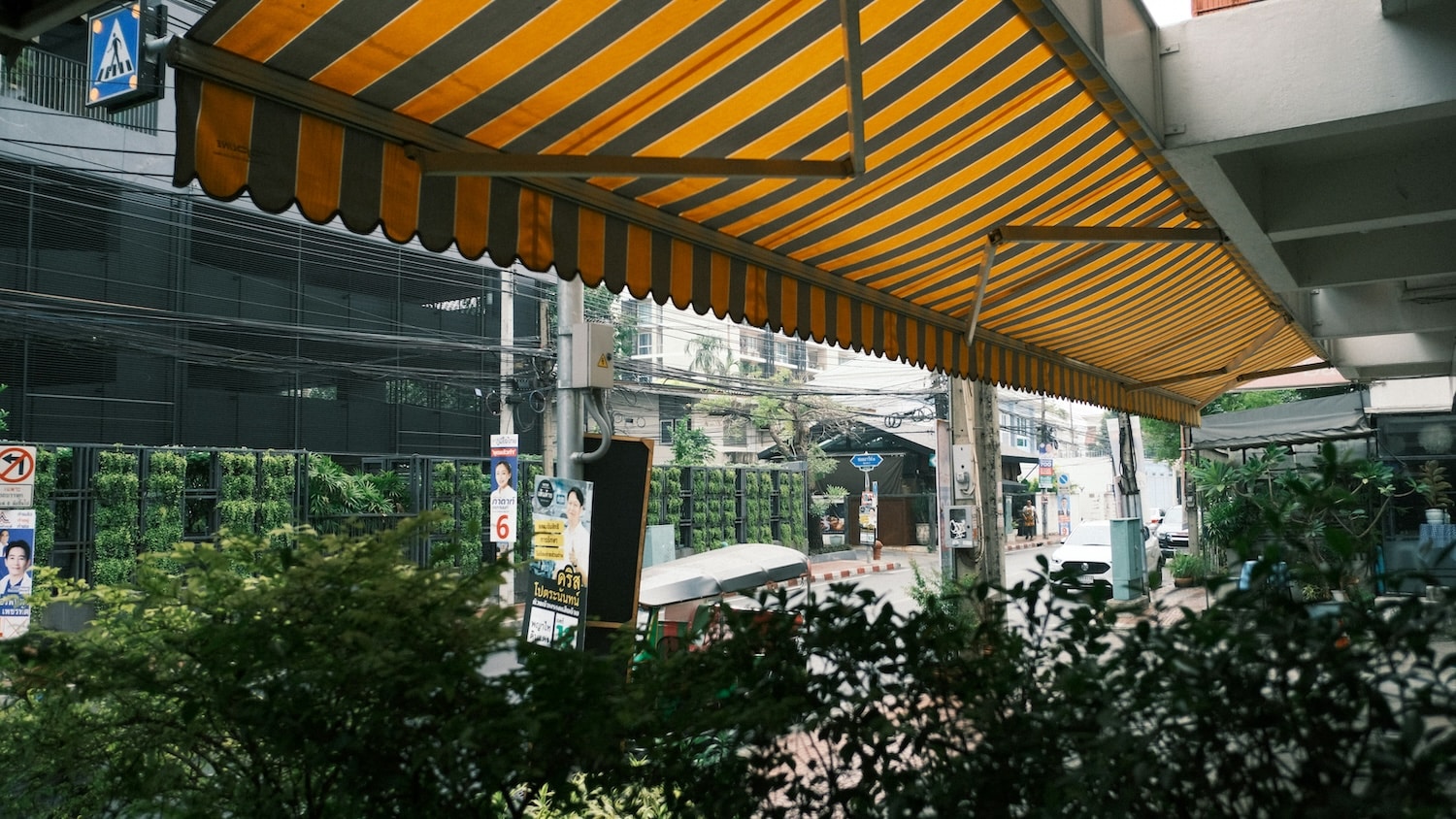
For instance, traditional stripe patterns work well with classic home designs. Alternatively, solid colors suit modern aesthetics and blend seamlessly with contemporary decor.
Think about your home’s exterior colors when selecting awning fabric. You want harmony, not clash. Neutral colors, such as beige, gray, or cream, work with most home styles. Bold colors can create striking focal points, but might limit future design changes.
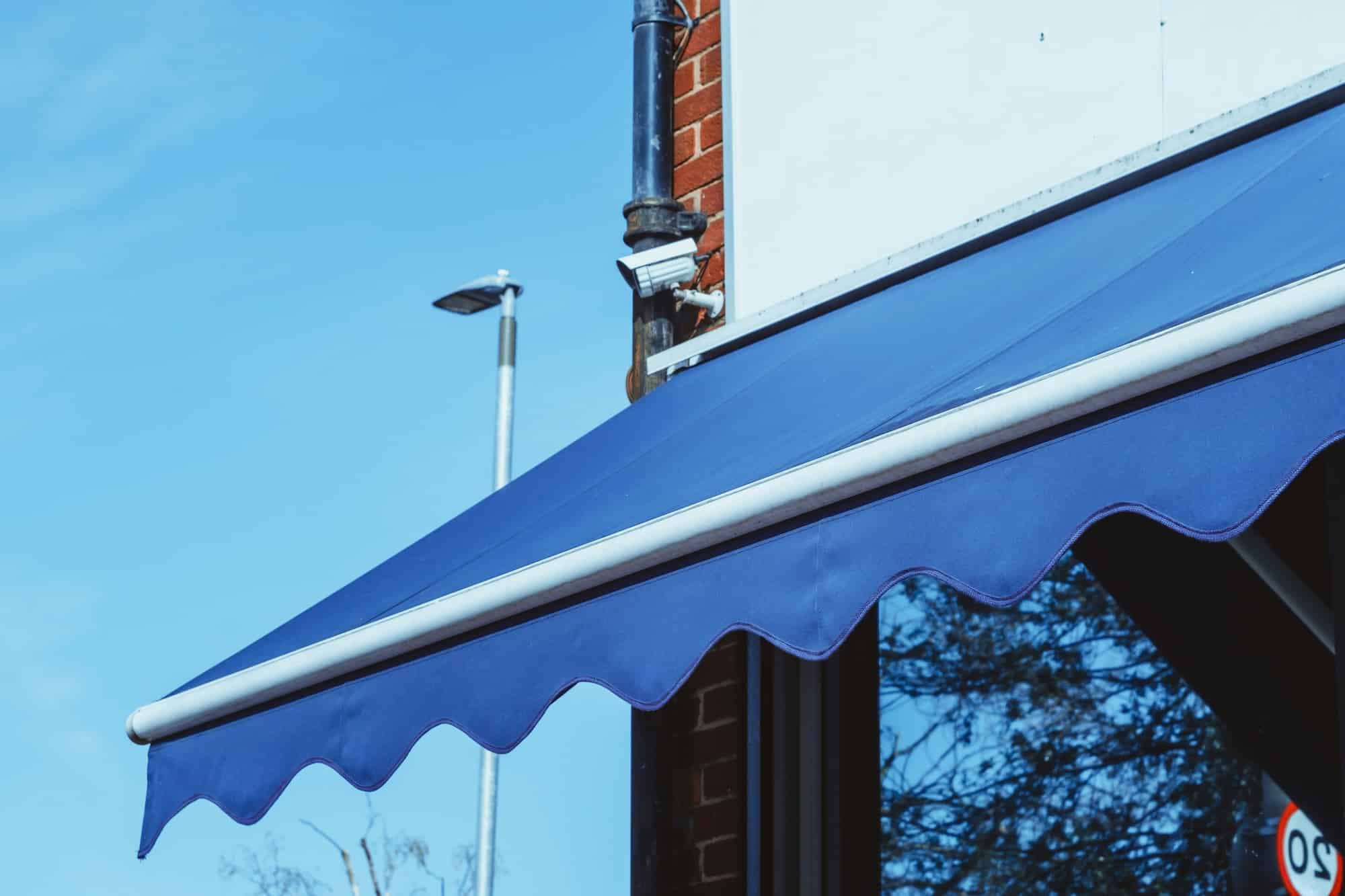
Valance styles affect your awning’s appearance too. For example, scalloped valances offer a traditional look. But straight valances suit modern homes better. Some awnings also let you customize or even skip installing the valance entirely.
Frame colors matter as well. White frames disappear against light-colored homes. Bronze or black frames make bold statements and work well with darker exteriors. That said, some manufacturers offer custom color matching for frames.
Finally, consider your deck furniture and accessories when choosing colors. Your awning will be a major visual element, so it should work with your existing outdoor decor scheme.
Budget Considerations
Retractable awning prices vary widely based on size, features, and quality. Generally, basic manual awnings start around $500-800 for smaller sizes. On the other hand, high-end motorized models with smart features can cost $3,000-5,000 or more.
Don’t just look at the initial purchase price. Factor in installation costs, especially for motorized units that need electrical work. Professional installation typically adds $300-800 to your total investment.
Additionally, consider long-term value. Higher-quality awnings with premium fabrics cost more upfront but last longer. Cheaper options, though, might need replacement sooner, making them more expensive over time.
If your budget is tight, think about financing options. Many awning suppliers offer payment plans.
Remember: The energy savings from reduced air conditioning use can help offset costs over time. Awnings add value to your home as well. They’ll improve your property’s appeal to potential buyers.
Weather Considerations
Your local climate should heavily influence your awning choice. Areas with frequent high winds, for instance, need sturdy frames and automatic retraction systems. Coastal locations require corrosion-resistant hardware and salt-air-rated fabrics.
If you get heavy snow, retractable awnings make perfect sense. You can keep them retracted during the winter months to avoid snow load damage. Fixed awnings can’t offer this protection.
Keep in mind seasonal weather patterns, too. If you only use your deck during mild weather, a basic manual awning might work fine. Year-round deck users in variable climates benefit more from motorized systems with weather sensors.
No surprise here, but rain frequency also affects your fabric choice. Frequent light rain works fine with standard water-resistant acrylics. Heavy downpours might call for waterproof materials, though you’ll sacrifice breathability.
Last but not least, UV intensity in your area determines how much sun protection you need. Southern locations with intense sun benefit from high-UV-blocking fabrics and deeper awning projections.
Retractable Awning Installation Options For Your Deck
Installing a retractable awning involves several key decisions that affect both performance and compliance. You’ll need to choose between doing it yourself and hiring professionals, decide on mounting options, and navigate any local requirements.
Let’s break down each consideration to help you make the best choices for your deck project.
DIY vs. Professional Installation
DIY installation can save money, but it’s not right for everyone. Manual retractable awnings, for starters, are more DIY-friendly than motorized versions. So, if you’re handy with tools and comfortable working on ladders, you might handle a smaller manual awning yourself.
Fortunately, most manufacturers provide detailed installation instructions and videos. Typically, you only need basic tools, such as drills, levels, and measuring tapes. The process then involves mounting brackets to your home wall or soffit, then attaching the awning assembly.
That said, professional installation has its advantages. For instance, experienced installers know how to handle tricky situations, such as uneven walls or challenging mounting surfaces. They can ensure proper alignment and tension, which affects how your awning operates.
Additionally, motorized awnings almost always need professional installation. The electrical connections require proper wiring and safety compliance. Getting it wrong can create safety hazards or void your warranty.
Professional installers also carry insurance and typically guarantee their work. If something goes wrong during installation, you’re protected. They can spot potential problems early and suggest solutions you might miss.
Consider the size of your awning as well. Larger awnings are heavy and awkward to handle safely. Two or three people are usually needed, and professionals have the right equipment and experience for a safe installation.
Wall-Mounted Vs. Roof-Mounted
Most retractable awnings mount to your home’s exterior wall. This is typically the strongest and most straightforward option. Wall mounting works well when you have a solid wall structure behind your siding or brick.
Wall-mounted awnings attach to the wall above your deck area. They project outward to provide coverage. This mounting style works great for most deck applications and is generally less expensive than roof mounting.
Speaking of, roof mounting becomes necessary when your wall isn’t suitable for mounting. This might happen if you have large windows, weak wall construction, or architectural features. In other cases, homeowners simply prefer the roof-mounted look.
Either way, you should know that roof-mounted awnings require careful attention to waterproofing and structural support. The mounting points must be properly sealed to prevent leaks. You’ll also need an adequate roof structure to handle the awning’s weight and wind loads.
Further, roof mounting typically costs more due to the additional complexity and materials needed. However, it can provide better clearance and coverage in some situations.
When deciding between the two, factor in any gutters, trim, or other features that might affect installation. If you’re unable to make a choice, your installer can help determine which option works best for your specific deck layout.
Local Regulations or HOA Rules (If Applicable)
Most retractable awnings don’t require permits since they’re considered temporary structures.
However, exceptions exist. Large awnings that project more than 4-6 feet from your house might need approval. Motorized awnings requiring electrical work often need electrical permits.
Nevertheless, check with your local building department before installation. They can tell you if permits are required in your area. It’s better to ask up front than deal with problems later. Most building departments are helpful and can guide you through any requirements.
As for HOAs, they have their own approval processes. Even if your city doesn’t require permits, your HOA might need to approve your awning. Contact your HOA before purchasing to understand their requirements.
HOAs normally want to see installation details, color samples, and drawings of your proposed awning. They’re concerned about maintaining neighborhood appearance and property values. As such, the approval process can take several weeks, so plan accordingly.
Keep in mind that installing without approval could result in fines or orders to remove your awning. In extreme cases, HOAs might pursue legal action. It’s not worth the risk.
Luckily, professional awning companies can often help with permits and HOA approvals, too! They understand local requirements and can guide you through the process. So, when in doubt, consult with experienced installers who know your area’s specific rules and regulations.
Pros & Cons of Retractable Awnings for Your Deck
Pros
Of their many benefits, retractable awnings make outdoor spaces adaptable and usable in various weather conditions.
They also provide excellent UV protection, blocking up to 98% of harmful rays. This protection keeps you safer from sun damage and makes your deck more comfortable during peak heat hours.
These awnings boost your home’s value and curb appeal. They create an attractive outdoor living space that potential buyers love.
Plus, installation is relatively straightforward compared to permanent structures, such as pergolas or gazebos.
Cons
Higher upfront costs compared to fixed awnings or umbrellas can be significant. Quality retractable awnings represent a substantial investment, especially motorized models with premium features.
Weather limitations mean you must retract during storms or high winds. Forgetting to retract can result in expensive damage. Even with wind sensors, sudden weather changes pose risks.
Potential mechanical failures affect motorized models more than manual ones. Motors, sensors, and electrical components can malfunction. They’ll require professional repairs that add ongoing costs.
Retractable Awning Maintenance Tips
Proper maintenance extends your awning’s life significantly and keeps it looking great.
Start with regular cleaning every few months. Remove loose dirt and debris with a soft brush before washing. Be sure to use mild soap and lukewarm water to clean the fabric gently.
Additionally, address mold and mildew immediately when you spot them. Mix one cup of bleach with one gallon of water for stubborn stains. Test cleaning solutions on a hidden area first to avoid fabric damage.
Remember to lubricate all moving parts annually using manufacturer-recommended products as well. Pay special attention to pivot points, springs, and motorized components.
Always inspect your awning regularly for wear signs. Check fabric for tears, fading, or loose stitching. Examine the frame for bent arms, loose bolts, or damaged brackets. So, address small issues promptly before they become expensive problems.
Contact An Awning Supplier
Ready to transform your deck with a quality retractable awning? Venango Awning has served Pittsburgh homeowners since 1946 with expert craftsmanship and custom solutions. Our handcrafted awnings offer 10-year fabric warranties, UV protection, and weather resistance.
Contact us today for your free estimate and discover why we’re Pittsburgh’s top-rated awning supplier.
FAQs
How much do retractable awnings cost?
Manual awnings start around $800-1,500 for basic models. Motorized options range from $2,500 to $6,000. Premium cassette systems cost $5,000 to $8,500. Smart awnings with automation features can reach $10,000 or more. Installation typically adds $350-900 for smaller awnings.
Are retractable awnings ok in the wind?
Most retractable awnings handle light winds fine, but you should retract them in strong gusts. Manual awnings need your attention during windy weather. Motorized models often include wind sensors that automatically retract the awning when speeds exceed safe limits. Generally, retract your awning when winds reach 20-25 mph to prevent damage.
How long do retractable awnings last?
Quality retractable awnings last 5-15 years with proper care. The fabric typically needs replacement every 10-12 years, while frames can last beyond 15 years. Premium cassette systems with better materials often reach the longer end of this range. Regular maintenance and proper seasonal storage significantly extend the lifespan.
Do retractable awnings need electricity?
Manual retractable awnings don’t need electricity; they operate with a simple hand crank. Motorized awnings require electrical connections for the motor and controls. Most motorized systems use standard 110V household current. Smart awnings with sensors and automation features also need power for their electronic components and Wi-Fi connectivity.
Final Thoughts
A retractable awning can transform your deck into a comfortable outdoor retreat. It offers flexible shade control, weather protection, and can significantly boost your home’s value.
Whether you go for a manual or motorized system, always focus on quality materials and proper sizing for your space. With the right awning, you’ll extend your deck’s usable season and create lasting memories in your enhanced outdoor living area.