Awnings add shade, curb appeal, and weather protection to any building. If you’re thinking about getting one, the first thing on your mind will probably be: classic or contemporary?
Both traditional and modern awning styles have their own appeal. But how do they differ, and which suits your home or business better?
Learn the key differences here to find yourself a style that truly fits.
What Are Traditional Awning Styles?
Traditional awnings have been around for decades. You’ve seen them adorning historic homes, old storefronts, and curbside cafés. They’re classic for a reason.
Traditional Awning Characteristics
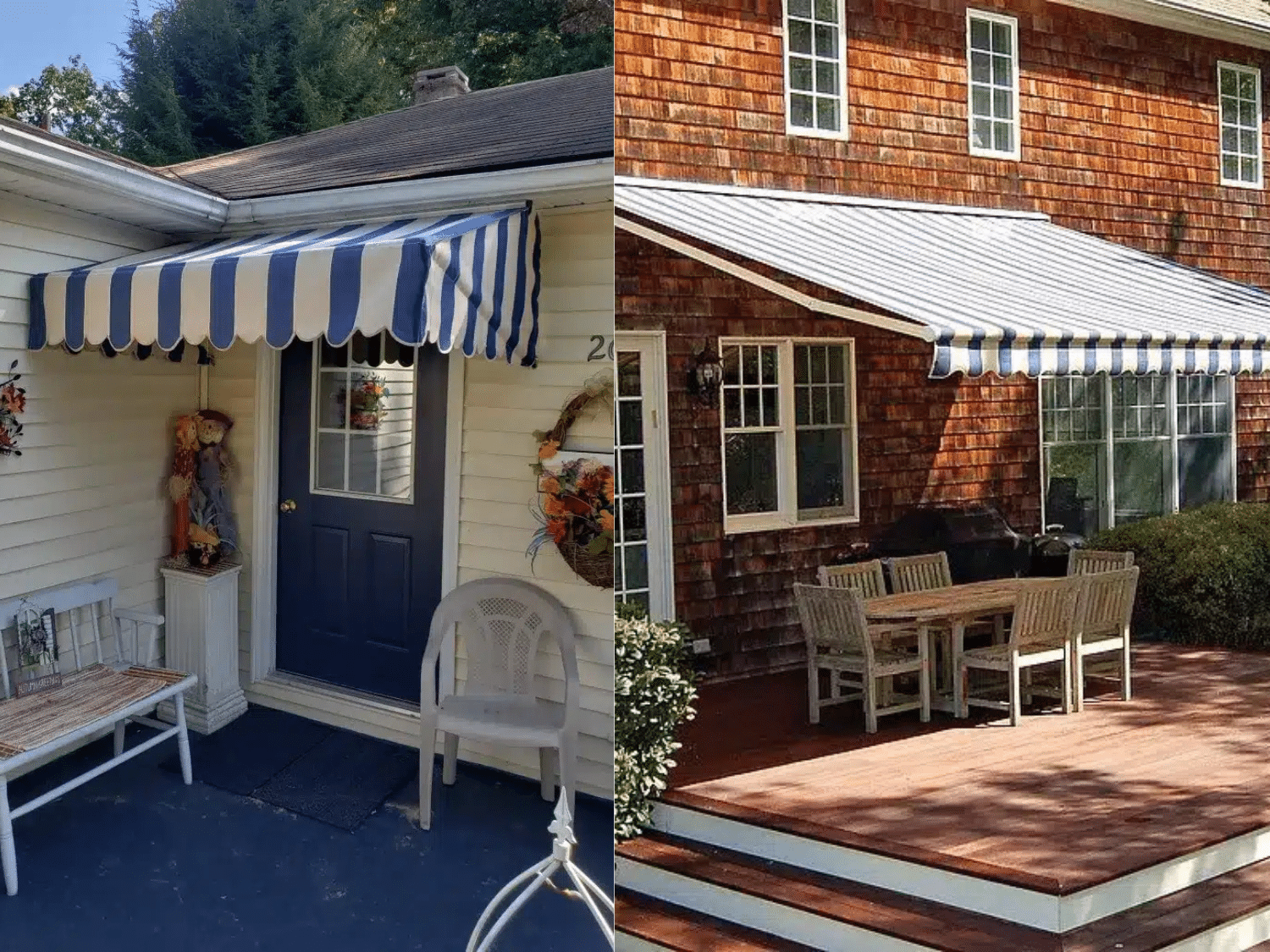
Traditional awnings usually have a fixed frame. That means they stay in place year-round. They often feature:
- Fabric covers stretched over a metal frame
- Striped or solid canvas designs
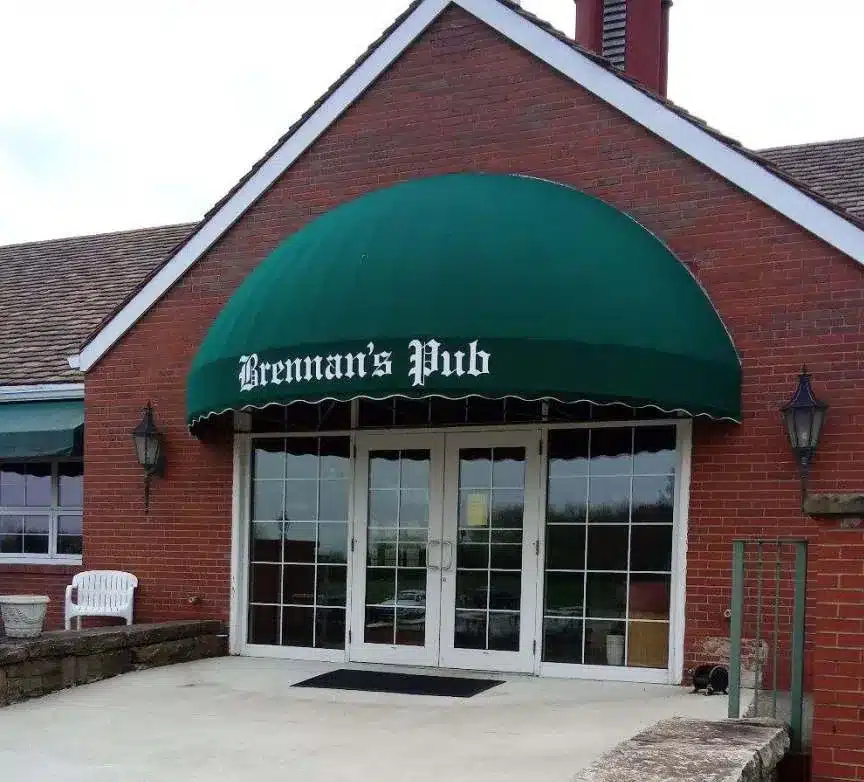
- Rounded or sloped shapes
- Decorative valances along the edges (scalloped, wave-cut, serrated)
Many traditional awnings use classic awning materials like canvas or woven acrylic. These fabrics are durable yet soft in appearance. Frames are typically aluminum or steel.
Because of their design, traditional awnings work especially well on brick homes, colonial houses, and historic buildings.
Popular Traditional Awning Types
Here are some of the most common traditional awnings:
- Fixed Frame Awning: Permanently installed above windows or doors
- Dome Awning: Rounded and elegant
- Concave or Convex Awning: Curve inward or outward, adding architectural detail
- Stationary Metal Awning: Made from sturdy awning materials like aluminum
What Are Modern Awning Styles?
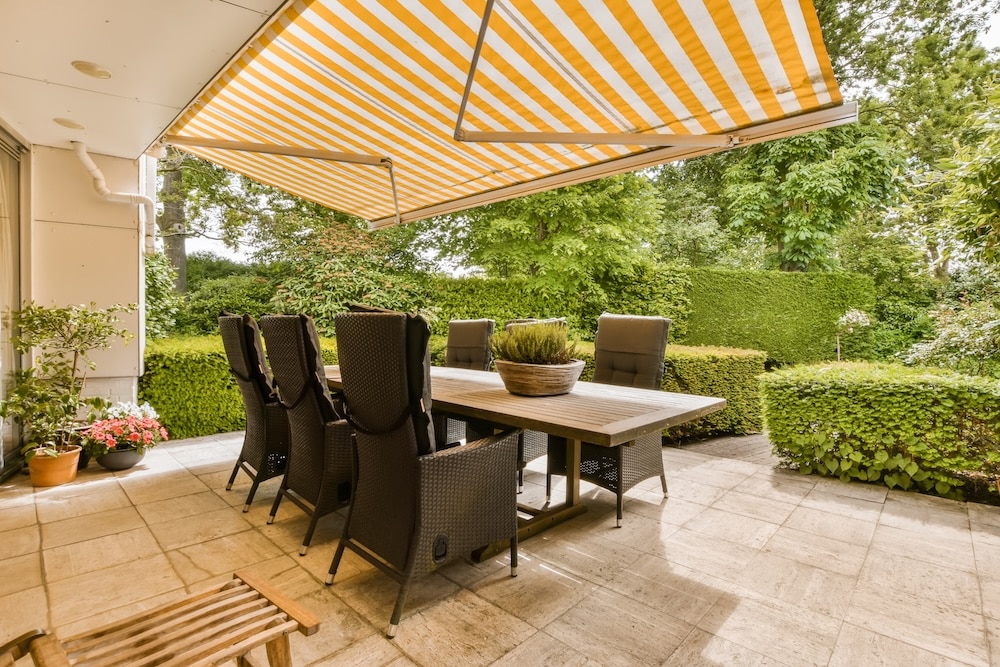
A modern awning is designed with clean lines, minimalism, and functionality in mind. It’s less decorative and more streamlined.
You’ll usually find modern awnings in contemporary homes, office buildings, and newer retail shops.
Modern Awning Characteristics
Modern awning designs are defined by:
- Sleek, straight edges
- Neutral color palettes
- Retractable systems
- Motorized operation
- Integrated lighting or sensors
Retractability is a common feature of modern awnings. It helps extend the lifespan and gives you control over sun exposure.
Modern awnings are also built for efficiency. As such, many models include wind sensors or remote controls, which makes them especially attractive for commercial spaces.
Popular Modern Awning Types
Here are the most common modern awning options:
- Retractable Awning: Can be retracted when not in use
- Pergola-Style Awning: A wall-mounted awning with support posts or pillars
- Cassette Awning: A wall-mounted casing encloses the fabric and arms when retracted
- Freestanding Awning: A self-supporting structure without wall mounting
- Louvered Awning: Have adjustable slats for light and airflow
- Metal Flat-Panel Awning: Sleek and minimalist, typically found in commercial buildings

Traditional vs Modern Awning Styles: Comparison
Let’s see how they compare:
Design & Aesthetic
Vintage is the first thing that comes to mind when we think of traditional awnings. Inherently decorative, these coverings are meant to charm and invite.
The shapes are often curved, scalloped, or wavy. Bold stripes, rich colors, and detailed trims catch the eye. Even the frame has a certain flair.
Traditional awnings tend to soften a facade. They break up hard architectural lines, adding warmth and personality to brick homes, stone buildings, or historic storefronts.
A modern awning is all about straight lines and crisp geometry. The colors used are often neutral, like gray, beige, charcoal, or matte black.
Modern awnings are built to complement the building, not steal the attention. They communicate efficiency and subtlety.
New constructions with sharp rooflines, large glass panels, and minimalist siding usually pair better with a modern awning. The straight edges blend into one seamless design.
Materials
Awning materials have evolved, though durability is still non-negotiable. After all, awnings are meant to brave the elements.
Below are the most common traditional materials:
- Canvas
- Woven acrylic
- Aluminum frames
Modern materials include:
- UV-resistant fabrics
- Vinyl
- Insulated glass or polycarbonate
- Powder-coated aluminum
- Corrosion-resistant steel
Modern awnings often use special coatings for weather resistance. Sturdier materials are also utilized for long-span commercial awnings.
Functionality
Functionality is where traditional and modern awnings really separate themselves.
Traditional awnings are non-retractable. Rain or shine, the shade or coverage provided is constant. You can’t fold them back if you want more winter sun or to protect them from high winds and heavy storms.
Flexibility gives modern awnings major points. Many systems are retractable, meaning you can extend the awning when you need shade and pull it back when you prefer the view.
Motorized models take it up a notch. You can automatically extend or retract an awning using a remote control or a phone app. This is a huge convenience, especially for commercial retractable awnings that cover larger entryways.
Some models even have wind sensors that retract the awning if gusts get too strong. Being able to rest the awning from the weather protects the materials and prolongs the life of the system.
Maintenance
Care and maintenance largely depend on awning materials.
Traditional fabric awnings may require:
- Regular cleaning
- Deep cleaning once or twice a year
- Occasional fabric replacement
- Frame inspection and repair
Rinsing the surface removes dirt, dust, bird droppings, and mildew. In most cases, a gentle wash with mild soap and water is enough. You’ll also want to check for loose stitches, tears, rust on metal frames, and loose mounting hardware.
Metal awnings generally require less maintenance. However, they should still be checked for dents, loose fasteners, or finish wear. To keep them looking new, simply wipe away dust and wash them whenever you notice grime buildup.
Awnings with retractable features should be maintained regularly, especially the motor and moving parts. Retracting the awning during bad weather reduces fabric wear and tear. However, leaves, twigs, or dirt can get lodged in the rollers or tracks, jamming the mechanism.
Care tips:
- Inspect the system a few times a year.
- Make sure the fabric doesn’t sag or bunch up. Smooth it out if it does.
- Clear debris from the arms and rollers.
- Listen for unusual sounds from the motor.
- Check that bolts and brackets remain tight and that the awning rolls out and retracts smoothly.
- Lubricate joints to reduce friction.
Which Awning Style Is Best for Your Property?
Based on our comparison, there’s no runaway winner. The best style is the one that fits your home, goals, and budget.
Awnings For Residential Homes
A few things to think about when choosing the right style for residential awnings:
- Your home’s architecture
- Desired level of shade control
- Budget
- Long-term maintenance
Traditional awnings look fantastic on older homes, particularly for front windows or entryways.
A modern awning works best for patios, decks, and backyard entertaining areas. Retractable systems are also quite popular.
If your home has a contemporary design, a modern awning will look more cohesive. If it’s historic or traditional, traditional awnings may feel more natural.
You can also mix styles. You can use traditional awnings for front windows and a modern awning over a backyard patio.
Awnings For Commercial Buildings
Awnings for commercial buildings offer flexibility, smart features, and a clean appearance. They adapt to your needs and often require less long-term fabric replacement.
A modern awning is an excellent choice on:
- Office buildings
- Medical facilities
- Retail chains
- New construction properties
Durability and size matter. Larger spans often require stronger awning materials.
Businesses also appreciate the sleek appearance of a modern awning combined with LED lighting or motorized operation.
Plus, they’re great for branding purposes.
Want a retro vibe? Traditional awnings bring old-fashioned charm and a nostalgic feel. They’re common on:
- Restaurants
- Cafés with sidewalk dining
- Boutique shops
- Historic downtown properties
Traditional awnings create a welcoming storefront and offer space for logos or signage.
Need expert recommendation? Vennago Awning is here to help you weigh your options. We can guide you through the best materials and layouts to find a look that perfectly matches your property.